Looking to Purchase Engine Bearings?
If you're looking to purchase engine bearings or need help finding the correct components for an engine rebuild, get in touch with Engine Parts UK. We supply a comprehensive range of engine bearing shells, bushes and thrust components, with access to products for a wide variety of vehicle and engine applications.
Our range includes connecting rod (conrod) and big end shells, small end bushes, crankshaft main bearings, thrust washers and camshaft bushes. We work with some of the world's leading manufacturers, including Glyco, King, ACL and Miba. We also have access to products from Mahle, Kolbenschmidt (KS), AE and Vandervell.
Whether you're carrying out routine engine repairs, a complete rebuild or a performance engine project, our team can help you identify the right components for your requirements.
Contact Us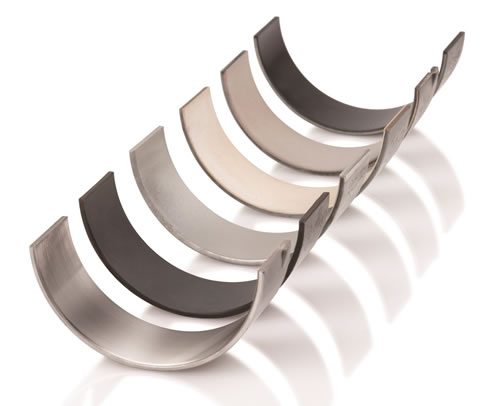
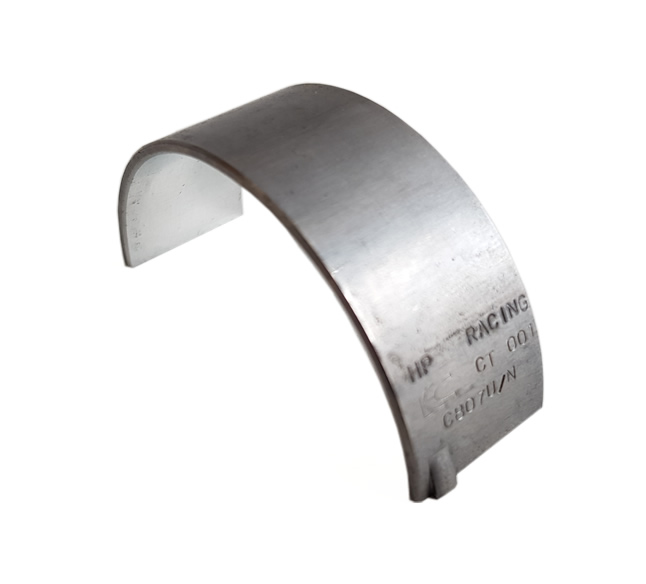
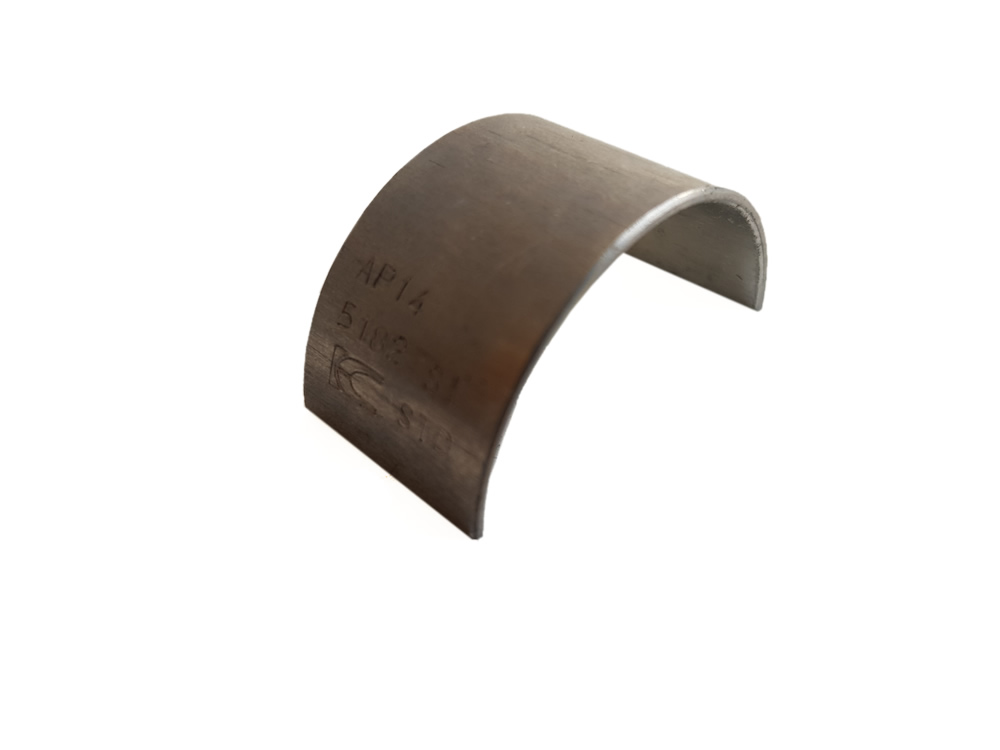
Conrod / Big End Shells
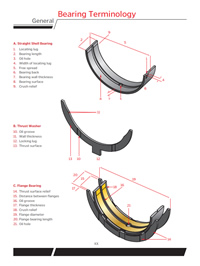
Connecting rod shells are fitted at the larger end of the conrod, where it connects to the crankshaft. Depending on the engine application, they may feature oil holes and locating tabs to ensure correct positioning and lubrication.
These components are manufactured using different composite metal constructions, including silicon aluminium, lead copper and copper silicone silver. Our range also includes performance and racing series options, which may feature additional coatings or overlays designed to improve hardness and load capacity.
We can also source undersize shells for crankshafts that have been machined or ground during engine reconditioning. Selecting the correct size is essential to achieving the required clearance and oil film between the crankshaft journal and the shell.
Small End Bushes
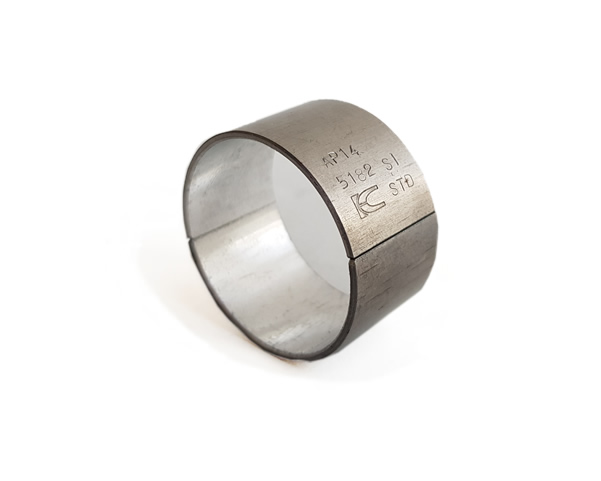
Small end bushes are fitted at the smaller end of the connecting rod, where the piston gudgeon pin is located. They provide a bearing surface for the piston pin and are an important component in the connecting rod assembly.
We can source replacement bushes for applications where the connecting rod requires them. In some cases, they are supplied as part of the connecting rod assembly.
Depending on the engine, small end bushes may be supplied to a specific finished size or require line boring to achieve the correct internal diameter and fitment. Correct sizing is important to ensure suitable clearance and reliable operation.
Crankshaft Main Bearings
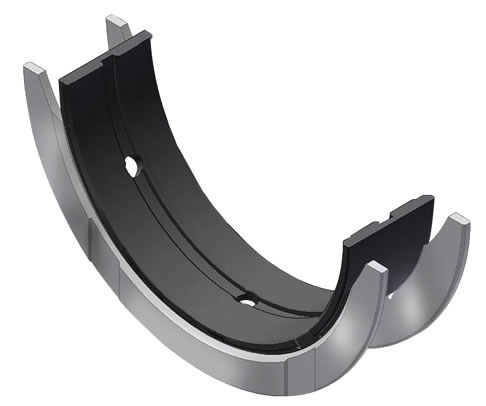
Crankshaft support shells are located within the engine block and allow the crankshaft to rotate smoothly. One half sits in the block, while the matching half is positioned in the bearing cap.
Depending on the engine design, these shells may feature oil holes, locating tabs and oil grooves to help distribute lubrication around the crankshaft journals.
Correct identification and sizing are essential when replacing these components, particularly during an engine rebuild or following crankshaft machining.
Thrust Washers
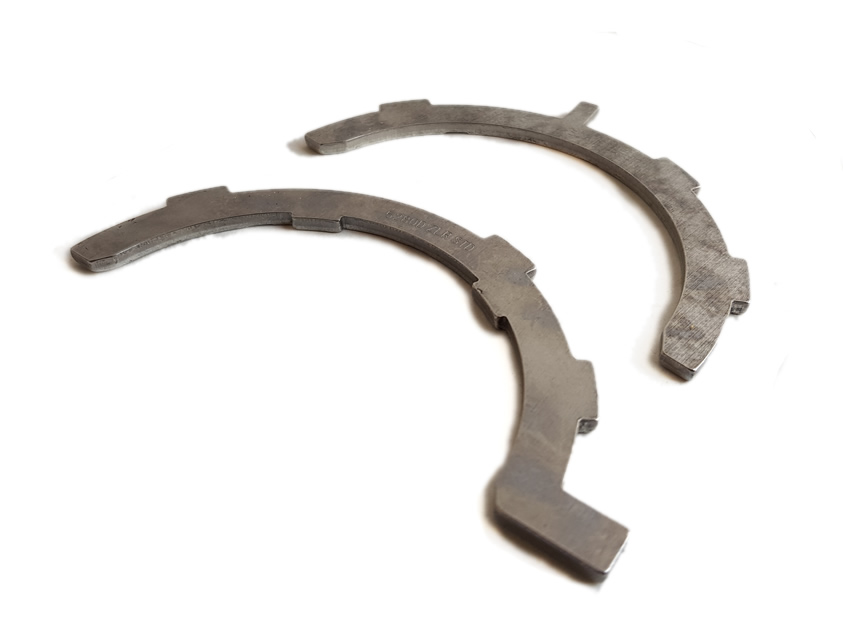
Thrust washers control the sideways movement of the crankshaft within the engine. This movement is known as end float and must remain within the manufacturer's specified tolerances.
Depending on the engine design, thrust washers may be separate components or integrated into one or two of the main bearing shells.
Oversize thrust washers are available for certain engine applications. These can be used during engine reconditioning to restore the correct crankshaft end float where excessive wear has occurred.
Camshaft Bearings / Bushes
Camshaft bushes support the camshaft within the engine and allow it to rotate correctly within its housing. They are positioned between the cylinder head or engine block casting and the camshaft, depending on the engine design.
Some applications feature oil holes within the bushes to help maintain lubrication around the camshaft journals. Correct positioning and lubrication are important to minimise wear and ensure reliable operation of the valve train.
Technical Information
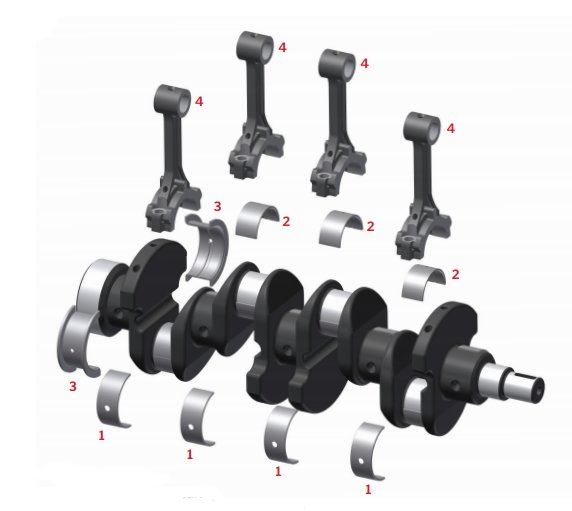
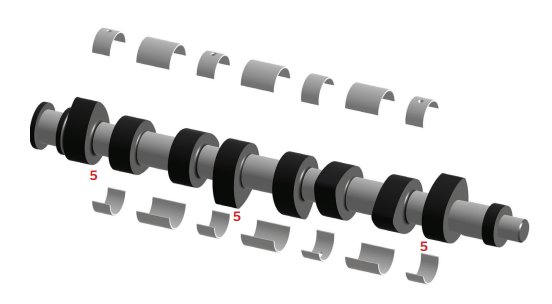
Engine Bearing Positioning (Based on a Conventional 4-Cylinder Engine)
1. Main bearing
2. Connecting rod shell
3. Flange bearing or bearing shell with integrated thrust washer
4. Piston pin bushing / Small end
5. Camshaft bush
Crankshaft Grinding / Refinishing
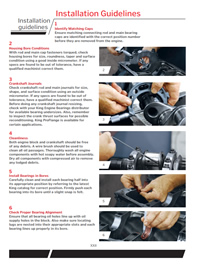
During an engine rebuild, the crankshaft should be inspected for grooves, scratches, pitting and other damage to the journal surfaces. If the journals are worn or damaged, the crankshaft may need to be ground to an undersize to restore an even, smooth finish.
It is advisable to check the availability of the required undersize bearing shells before arranging any machining work. Some engine applications have limited availability, particularly at larger undersize measurements, and certain crankshafts should not be ground because of their original surface treatments or manufacturing specifications.
After grinding, the crankshaft journals should be polished to achieve a smooth surface finish. This helps promote the correct oil film between the journal and the bearing surface, which is essential for reliable lubrication and engine operation.
When a crankshaft is reground, undersize shells are required to compensate for the material removed from the journals. The engine reconditioner will measure the crankshaft and calculate the amount of material that needs to be removed to achieve the correct dimensions and clearances.
Crankshaft machining sizes are generally specified in metric or imperial measurements. The table shows some commonly encountered undersize sizes. Availability may be limited for sizes greater than 1.00mm (0.040"). Always check the manufacturer's specifications and component availability before proceeding with machining.
| Metric | Imperial |
|---|---|
| 0.25mm | 010" |
| 0.30mm | |
| 0.50mm | 020" |
| 0.75mm | 030" |
| 0.80mm | |
| 1.00mm | 040" |
| 1.25mm | 050" |
| 1.50mm | 060" |
Engine Bearing Materials
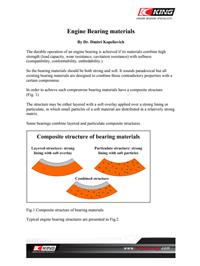
Engine bearing shells are manufactured using different materials and layered constructions to suit a variety of engine applications and operating conditions. A typical construction includes a steel backing with internal layers of metal and a final overlay.
Bi-metal designs generally use an aluminium alloy bonded to a steel backing. Tri-metal constructions typically include a copper or bronze layer, followed by a lead or nickel barrier layer before the final overlay is applied. These heavy-duty designs are often referred to as lead copper or lead bronze shells.
Different manufacturers use their own combinations of alloys, metals and production techniques to achieve the required properties. Depending on the design, parts of the component may be sintered, electro-coated or sputtered.
Sputtering is a physical vapour deposition process in which material is vaporised and deposited onto a target surface to create a specialised coating. Sputtered shells are designed for high-load applications and can offer load capacities in the region of 14,500–17,400 psi, depending on the material and specification.