Engine Bearings Explained
Trade Guide from Engine Parts UK
Engine bearings are critical precision components in any engine rebuild. For trade customers, machine shops, and professional engine builders, correct bearing selection directly affects oil pressure, durability, and engine reliability.
This guide explains the role of engine bearings and why bearing quality and tolerance control matter in professional applications.
What Do Engine Bearings Do?
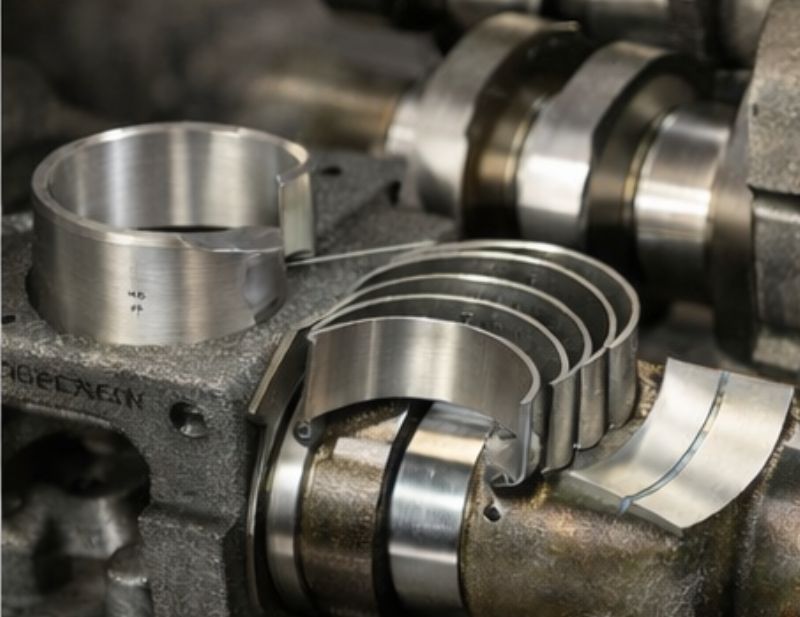
Engine bearings support rotating components while maintaining precise oil clearances. They operate using hydrodynamic lubrication, where pressurised engine oil forms a protective film between the bearing and journal.
Key functions:
- Support crankshaft and connecting rod loads
- Maintain oil pressure and alignment
- Reduce friction and wear
- Absorb combustion shock loads
Under correct conditions, bearings operate with no metal-to-metal contact.
Types of Engine Bearings Supplied
Engine Parts UK supplies bearings for OEM replacement, reconditioned engines, and performance builds, including:
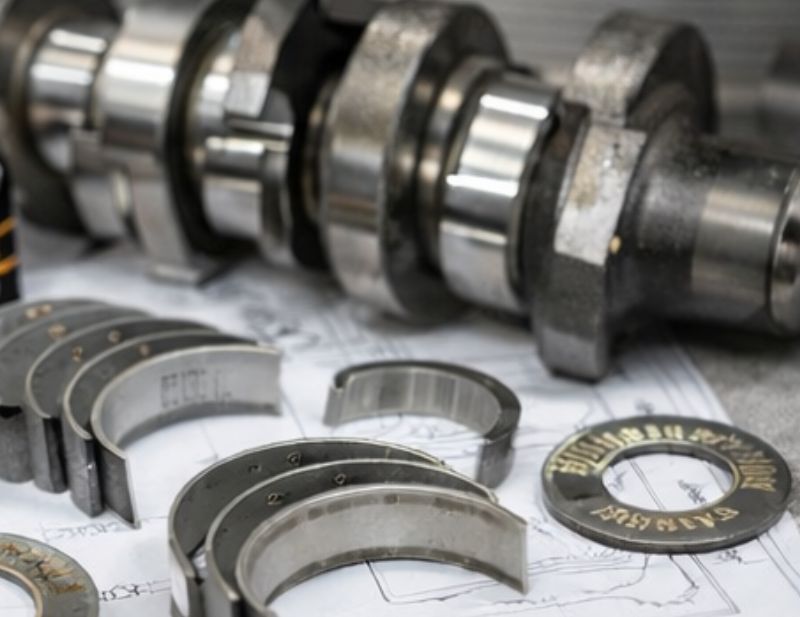
- Main bearings - support the crankshaft within the engine block
- Connecting rod bearings - handle high RPM and cyclic combustion loads
- Thrust bearings - control crankshaft end float
Bearings are available in standard and oversize sizes, suitable for reground crankshafts and line-bored blocks.
Bearing Construction & Materials
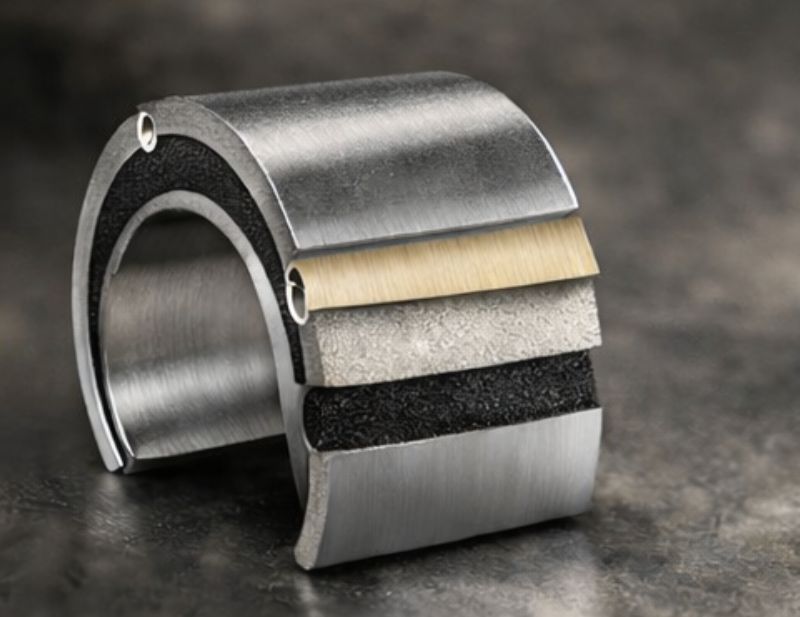
Modern engine bearings are multi-layer precision components, typically comprising:
- Steel backing - strength, housing fit, and crush retention
- Intermediate load-bearing layer - fatigue resistance under high load
- Overlay layer - conformability, debris embedding, and seizure protection
Performance bearing ranges may include polymer or dry-film coatings for improved wear resistance and start-up protection.
Oil Clearance & Bearing Performance
Correct bearing clearance is essential for trade engine builds:
- Clearance too tight - oil starvation, heat build-up, seizure risk
- Clearance too loose - low oil pressure, impact loading, reduced bearing life
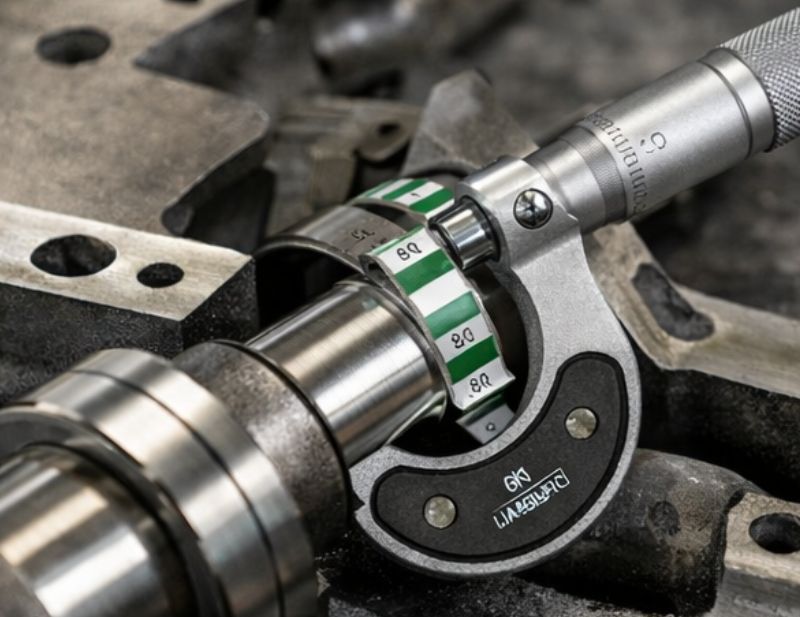
Consistent wall thickness and tight manufacturing tolerances allow accurate clearance control using micrometers, bore gauges, or Plastigage during assembly.
Common Causes of Bearing Failure
Most bearing failures are caused by external factors rather than bearing defects:
- Oil starvation or contamination
- Incorrect bearing clearances
- Poor crankshaft journal finish
- Housing distortion or misalignment
- Detonation or excessive RPM
Using high-quality bearings from a trusted trade supplier reduces risk when combined with correct machining and assembly practices.
Engine bearings form the foundation of any reliable engine rebuild. Selecting high-quality, correctly sized bearings is essential to maintain oil pressure, protect rotating assemblies, and ensure long service life.
Engine Parts UK supplies engine bearings trusted by professional engine builders, machine shops, and trade customers across the UK.
Engine Parts UK supplies engine bearings trusted by professional engine builders, machine shops, and trade customers across the UK.